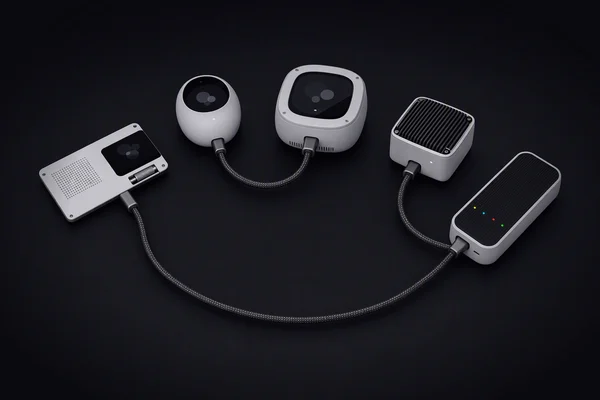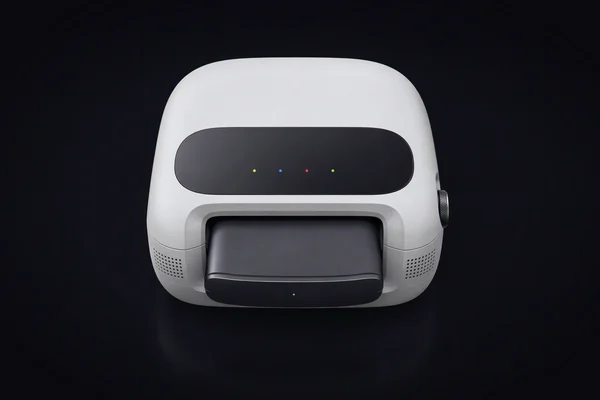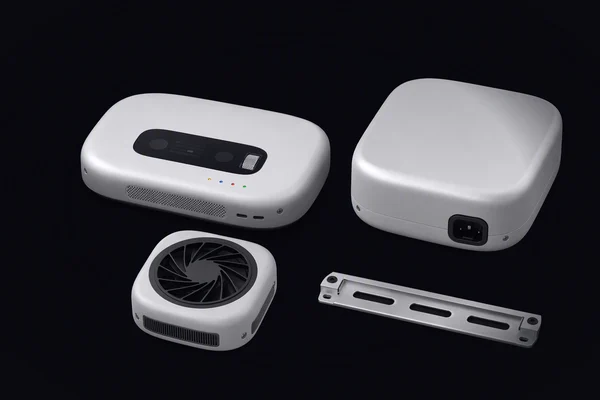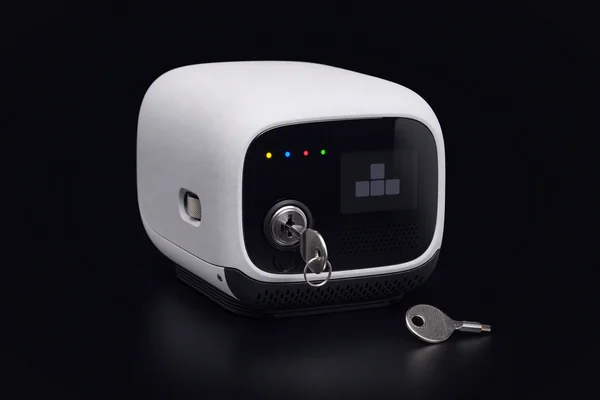
From a node on your shelf to a node in the network
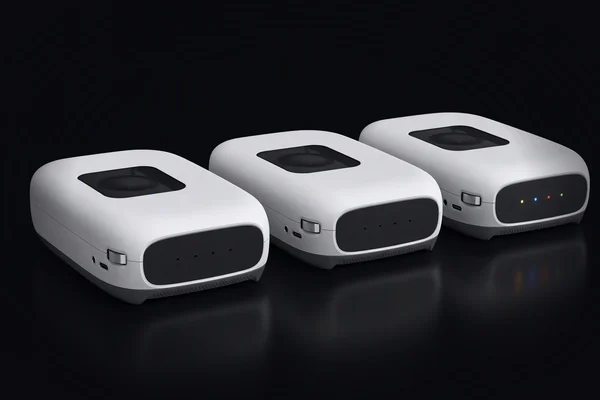
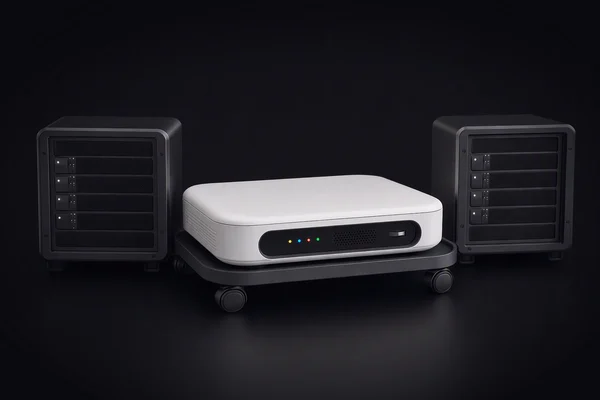
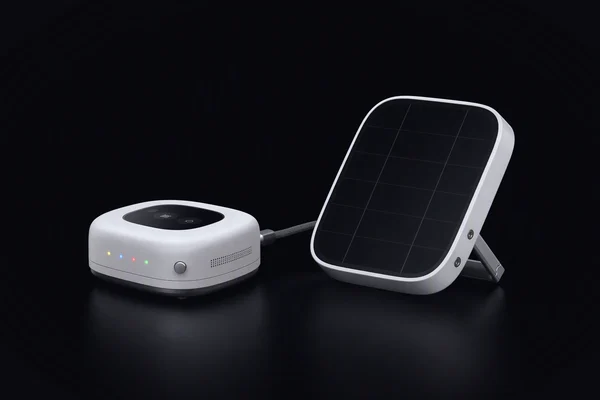
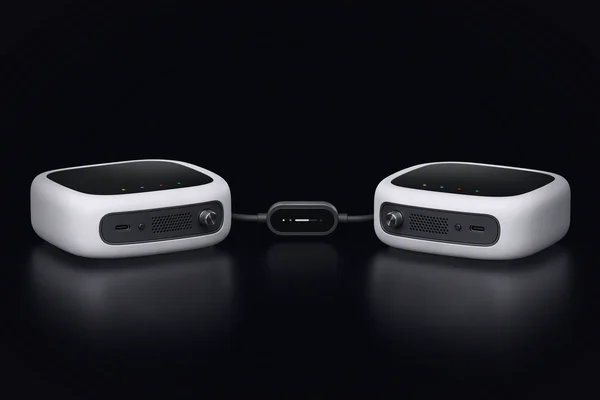
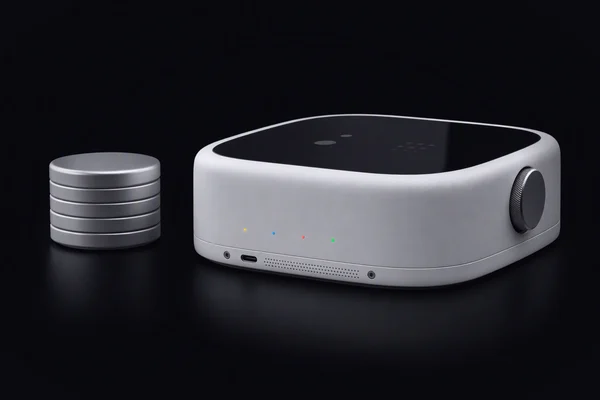
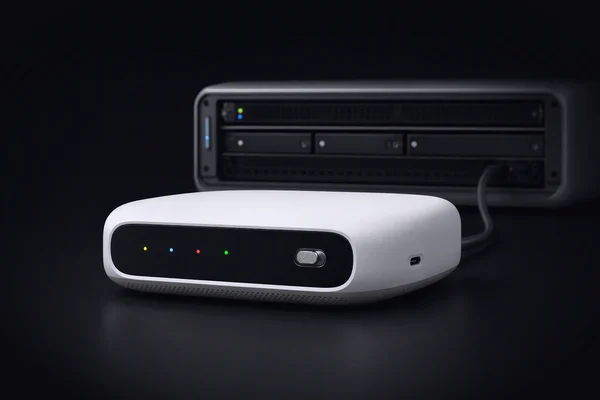
A home node idles most of the day. Lending that capacity is a question of consent, isolation and energy, not of technology. Here is how a Node is meant to join.
- home node
- capacity
- energy
Notes from designing a sovereign cloud for SI: who pays when no data is sold, what a node knows about you, idle hardware, energy, and the token as accounting.
A home node idles most of the day. Lending that capacity is a question of consent, isolation and energy, not of technology. Here is how a Node is meant to join.
Follow one spoken request through all five layers of the Kyber system, and see where an ordinary assistant would have let it leak along the way.
When your work runs on someone else's machine, the content is only part of what leaks. Account, payment, metadata and logs say more. Here is what a node should see.
Compute costs money: hardware, energy, buildings. If your data is not paying for it, someone has to pay another way. Here is how KyberFusion is meant to.
The more capable an assistant becomes, the more it matters whom it works for. Rented intelligence answers to its landlord. Here is what owning it takes.
Most machines spend most of their life doing very little while their owners pay by the hour elsewhere. The waste is not technical — nothing connects the two.
Running on two providers is rarely cheaper day to day. It is worth doing anyway, because the ability to leave is what determines the price of staying.
Electricity price and carbon intensity vary by location and hour. A large share of SI work can wait. Almost no scheduler is told either of those facts.
Agent-to-agent commerce is not a protocol problem. It is an identity, policy and settlement problem, and the protocol is the easy part.
Most projects in this space started with a token and looked for a use. If the grid would not be worth running without one, the token is not solving the problem.