Why Super Intelligence has to belong to people
The more capable an assistant becomes, the more it matters whom it works for. Rented intelligence answers to its landlord. Here is what owning it takes.
- SI
- ownership
- data
Pre-launch · chapter 5/5 · the network
kyber fusion --joinKyberFusion is the network under the whole system: a sovereign cloud with hardware for SI, for rent. Members contribute hardware and energy and earn tokens for what the network uses; users rent compute and pay in tokens. It is governed as a DAO, built to be anonymous, and it sells no data.
Three reasons the current cloud is the wrong home for an intelligence that is supposed to be yours.
A handful of companies own the models, the machines and the buildings they sit in. You pay the rent twice: once in money, and once in the data and attention their business runs on.
Machines sit idle for most of their life, including the one on your shelf, while the same people pay by the hour for capacity somewhere else. Nothing connects the two, so both costs are paid.
Where and when work runs changes what it costs and what it emits. Almost no scheduling decision takes that into account, because almost no system is given the information.
One loop. Capacity is the currency, and the token is how the network keeps score.
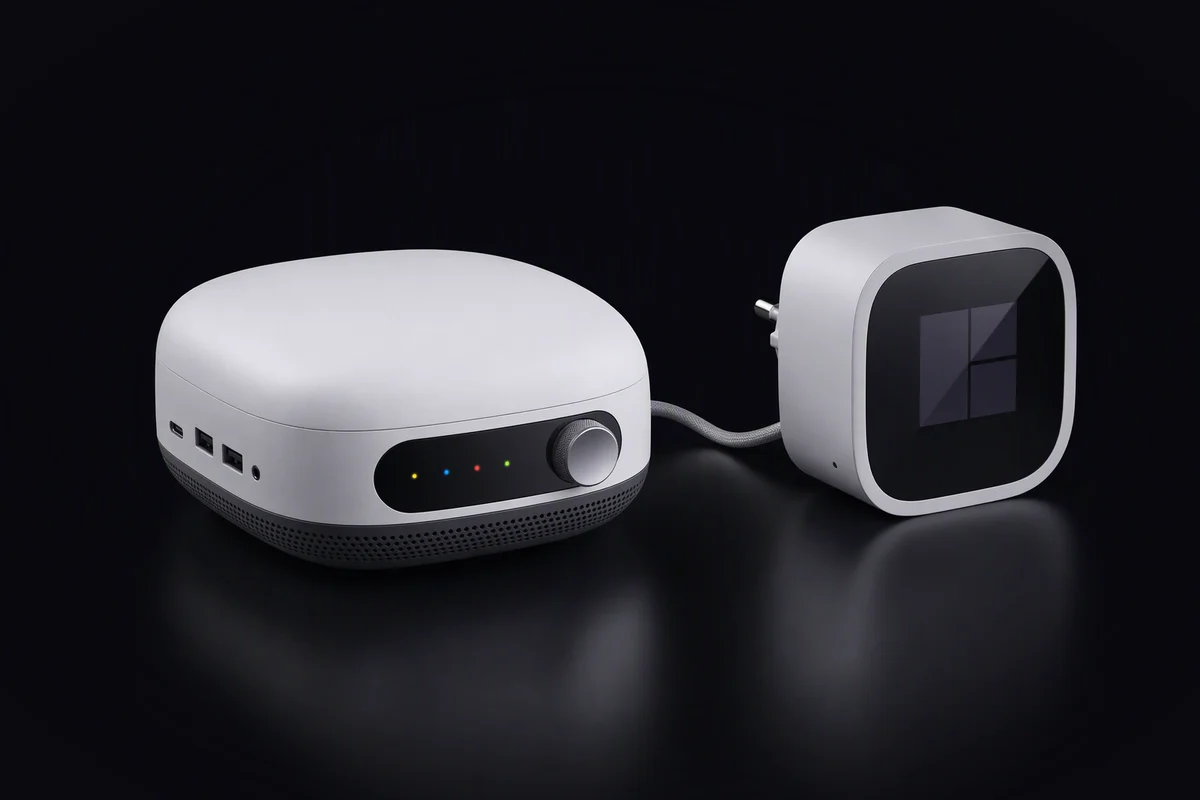
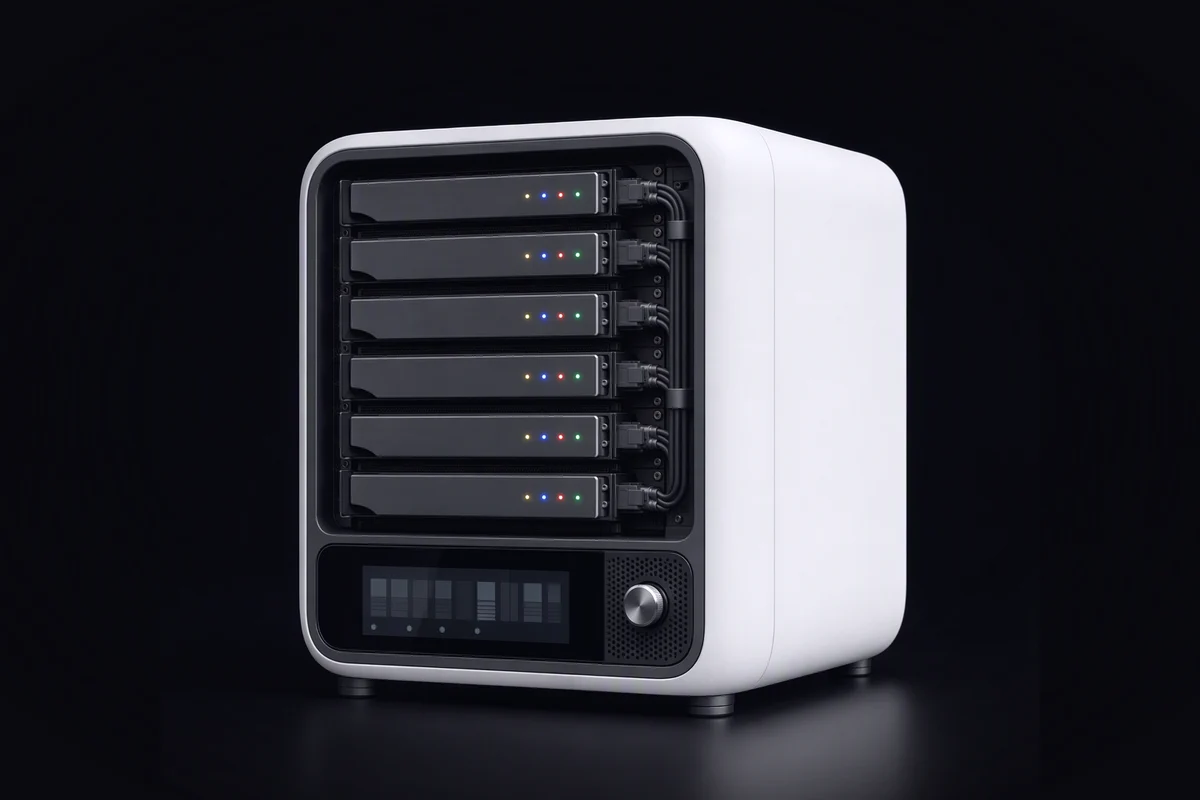
Hardware you own, from a KyberDeck Node on a shelf to a rack in a room, or energy you can supply at particular hours. The network places work on it under rules you set, and only when you say so.
Tokens accrue for what the network actually used: measured, recorded and settled on a blockchain ledger that every member can audit.
Spend tokens on compute elsewhere in the network when your own is not enough. Your KyberBot can do it for you, inside limits you set.
Each line is a promise about how the network behaves, written the way we intend to document it.
| command | what it does |
|---|---|
| kyber fusion rent | Rents compute for a job described by what it needs: capability, deadline, jurisdiction. Paid in tokens, placed by the network, and not tied to your name. |
| kyber fusion contribute --node | Offers your KyberDeck Node's spare capacity to the network, at the hours and for the classes of work you choose. Off by default, and one command turns it off again. |
| kyber fusion vote | Casts your vote on a DAO proposal: pricing rules, admission, what the shared income pays for. Proposals and tallies are public. |
| kyber fusion ledger | Shows what was used, at what rate, and what was settled, under pseudonyms rather than names. Every member can check the same record. |
| kyber fusion schedule --deferrable | Lets work that can wait run where and when energy is cheapest and cleanest, and still finish before its deadline. |
| kyber fusion leave | Takes your node and your work out of the network. No exit fee and no lock-in: the ability to leave is what keeps the network honest. |
Illustrative: the commands describe behaviour. They are not a released CLI, and nothing here moves a token.
Infrastructure, not a financial product.
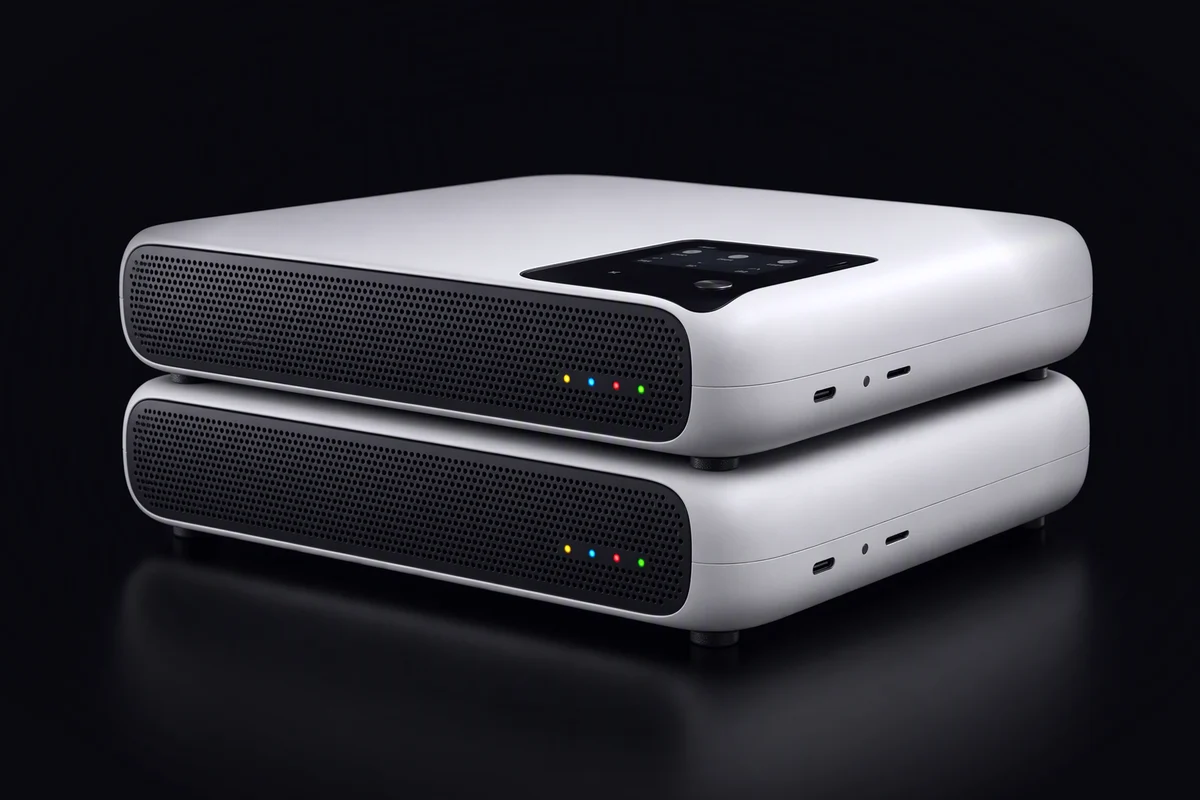
A Node on a shelf, a rack, a room or one machine. The network does not care who owns the metal, only whether it meets the requirements of the work being placed on it.
Work is described by what it needs rather than where it runs, so the same job can land on a member's node, a provider in your jurisdiction or a large cloud region.
Price, availability and carbon intensity vary by place and hour. Work that can wait should run when and where it is cheapest and cleanest, and the scheduler should know that.
Jobs are meant to arrive encrypted and unlinked from the person who sent them, so a node sees work rather than a name. That is the goal the design serves, not a claim about today.
Pricing, admission, dispute handling and what the shared income pays for are decided by members, in the open, rather than by an operator with its own position in the market.
What was used, at what rate, and what was owed, recorded in tokens on a shared ledger so any member can verify it instead of trusting an invoice.
Every layer has its own site. KyberFusion is the one furthest from your hand, and the name for all five together: the four colours fused into one.
kyber stack --from you
Your data stays yours at every step: on the device whenever it can be, encrypted and unlinked from you in the cloud when it has to go there.
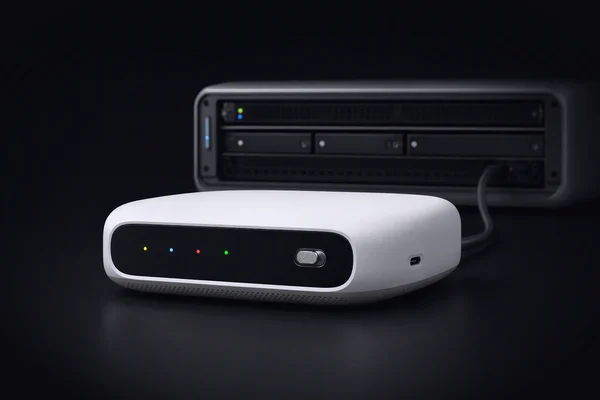
A KyberDeck Node spends most of the day waiting. If you want it to, it can lend that spare capacity to the network and earn tokens for what is used. You decide the hours, the classes of work and how much energy it may draw. The network decides nothing for you.
Plenty of projects in this space started with a token and looked for a use. This one starts from an operational problem, capacity that cannot move to where it is needed, and the token is how the network keeps score between members who have no reason to trust a bookkeeper.
A network that asks to be trusted with compute and settlement has to say plainly where its edges are.
KyberFusion is the layer where overclaiming would be easiest, because it involves money. So: design, not deployment.
Working out how capacity is measured, how work is placed, how settlement stays verifiable without a trusted operator, and how members make decisions.
A small number of members running real work across shared capacity, with settlement observed rather than enforced, while tokens stay in planning and we analyse them under EU law.
Public specifications, open admission, and the governance mechanism actually holding the rules rather than being described on a page.
KyberFusion is a sovereign cloud with hardware for SI, for rent, settled in tokens and governed as a DAO by members who contribute hardware and energy, and it is also the name of the whole Kyber ecosystem.
Super Intelligence. Most of the industry still uses an older two-letter name for it, as the footer of every page notes. We say SI because of what is coming, and because of who we think it should belong to: the people who use it, not the companies that rent it out.
A token is a unit of settlement for compute: earned by contributing capacity, spent on renting it, recorded on a blockchain ledger members can audit. It promises no return, profit or price, there is no sale, and nothing on this site is a financial promotion or investment advice. Tokens are planned, and we are analysing them under EU law. This is not an offer.
Members do, as a DAO: pricing, admission, dispute handling and what the shared income pays for. The ecosystem earns in several ways together, from hardware sales, compute rent and other streams the DAO decides on, and that income keeps the infrastructure running and funds the five projects. The governance design will be published before anyone is asked to rely on it. This is not an offer.
That is what it is built for: jobs that arrive encrypted and unlinked from the person who sent them, nodes that see work rather than names, settlement that does not need an account in your name. It is a design goal, not a claim. When there is something to test, the method will be published with the result.
Because it is where the five meet. KyberDeck is the body, KyberBot the assistant you trust, KyberAgent the swarms that do the work, KyberLinux the ground they stand on, and KyberFusion the network that lends power when a device is not enough. Its colour is the other four at once.
KYBERIOS is a branch of the ecosystem: the five layers put together as one operating system for a small business. When the office server is not enough, it borrows power from KyberFusion and settles in tokens, like any member. This is not an offer.
A body, an assistant you trust, hands that do the work, ground they stand on: none of it is enough on its own. Some jobs will always be bigger than anything you carry, and today the only place to take them is a cloud owned by a few companies whose business is your data and your attention.
So the last layer has to be shared the way the first one is owned. KyberFusion is a network its members hold together: they bring hardware and energy, rent what they need, settle in tokens on a ledger anyone can read, and set the rules as a DAO. It sells no data and shows no ads. What the ecosystem earns keeps the machines running and pays for the work on all five layers.
Which brings the story back to where it started: to you, holding a card on a lanyard. The network is worth building only if every request that leaves your hand comes back to it, and nothing about you stays behind. That is the whole of it, and it is all in the manifesto.
The more capable an assistant becomes, the more it matters whom it works for. Rented intelligence answers to its landlord. Here is what owning it takes.
A home node idles most of the day. Lending that capacity is a question of consent, isolation and energy, not of technology. Here is how a Node is meant to join.
When your work runs on someone else's machine, the content is only part of what leaks. Account, payment, metadata and logs say more. Here is what a node should see.
The waitlist goes live soon. Until then, the manifesto says what we are building and the blog argues how.
No form yet, no data collected, no tokens on offer — just come back.